
WHY TANZANIA
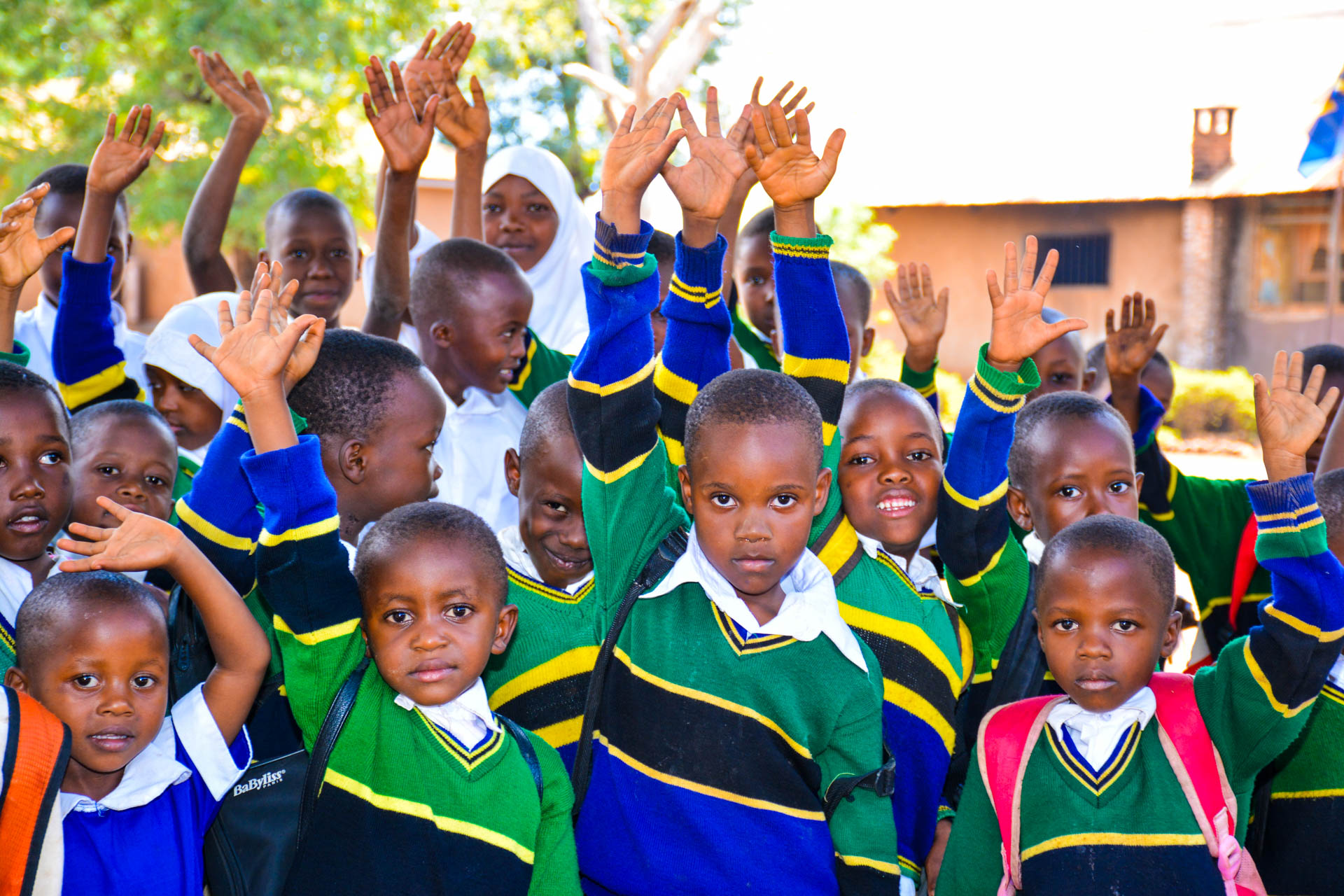
Tanzania is peaceful nation with large number of orphans, disable people, poor people with tremendous need.
WHERE IS TANZANIA
Tanzania is located in East Africa on the Indian Ocean. There are 8 countries that border Tanzania: Kenya and Uganda to the North; Rwanda, Burundi, and Democratic Republic of the Congo to the West; and Zambia, Malawi, and Mozambique to the South. Click here for a map.
Tanzania is a beautiful country. You can go on safari in the Serengeti or Ngorongoro in the Northern zone to see if you can find the “Big 5” (lion, leopard, elephant, rhino, and buffalo), camp in the Ngorongoro Crater, climb Mt. Kilimanjaro (the tallest point in Africa), visit Lake Victoria (the world’s second largest freshwater lake), or check out the tropical island paradise at Zanzibar. There are many quality safaris and travel organizations to choose from.
WHAT IS THE POPULATION OF TANZANIA?
As of August 2020, there were 60,035,988 (and growing) people living in Tanzania. 64% of the population is under the age of 25. According to UNICEF, Tanzania rates 11th with over 3 million orphan children currently living in the country. The primary cause of parental loss is HIV/AIDS followed by poverty.
WHAT LANGUAGE DO TANZANIANS SPEAK?
Swahili is the official Tanzanian language, although English is taught in schools and it is the official language for commerce, government and higher education. Most people in larger cities and who have higher education speak English. On the island of Zanzibar, off the coast of mainland Tanzania, Arabic is mostly spoken. There are also many different local languages and dialects within different communities throughout Tanzania.
HOW IS THE TANZANIA ECONOMY?
Tanzania is one of the poorer countries in the world. It ranks 158th out of 191 countries. Tanzania’s economy is predominately agricultural; cash crops include coffee, tea, cashews, tobacco, sugarcane, bananas, corn, and cassava. Agriculture makes up 40% of the GDP, provides 85% of the exports and employs 64% of the workforce. While the economy depends on agriculture, it thrives on gold production and tourism.


